


Blog Details
In flexible packaging and industrial applications, aluminum-based materials are widely used due to their excellent barrier performance. However, there is often confusion between aluminum foil and laminated aluminum foil.
While both contain aluminum as a key barrier layer, their structure, performance, and end-use applications are significantly different. Choosing the right material directly impacts packaging strength, shelf life, sealing performance, and production efficiency.
This article explains the key differences between aluminum foil and laminated aluminum foil, including structure, properties, applications, and selection guidance.
What Is Aluminum Foil?
Definition of Aluminum Foil
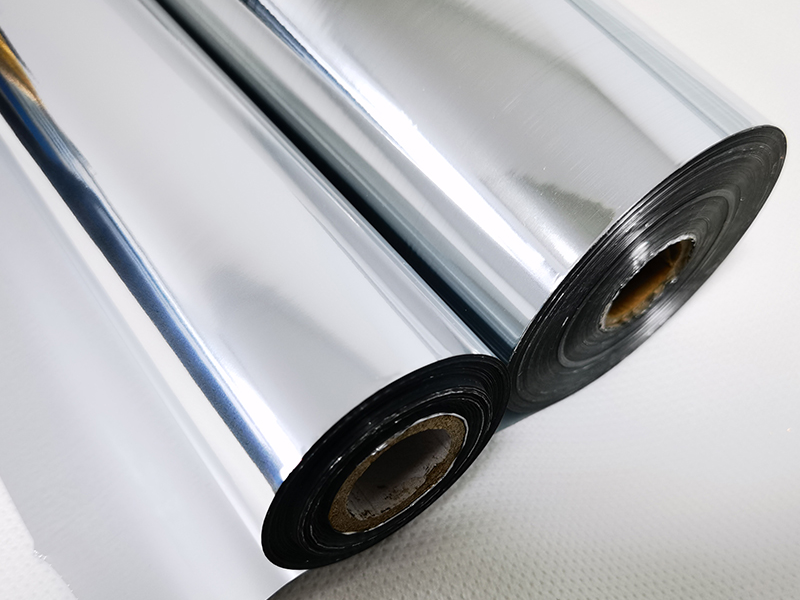
Aluminum foil is a thin sheet of pure aluminum that is rolled to extremely small thickness, typically used in packaging, insulation, and industrial applications. In flexible packaging, aluminum foil is commonly used as a barrier layer rather than a standalone packaging material.
Key Properties of Aluminum Foil
Excellent oxygen barrier
Excellent moisture barrier
Complete light and UV blocking
Good aroma protection
High thermal conductivity
Limitations of Aluminum Foil Alone
Low mechanical strength (easily tears or wrinkles)
Poor puncture resistance
Susceptible to flex cracking during processing
Cannot be heat sealed directly
Limited printability and surface protection
What Is Laminated Aluminum Foil?
Definition of Laminated Aluminum Foil
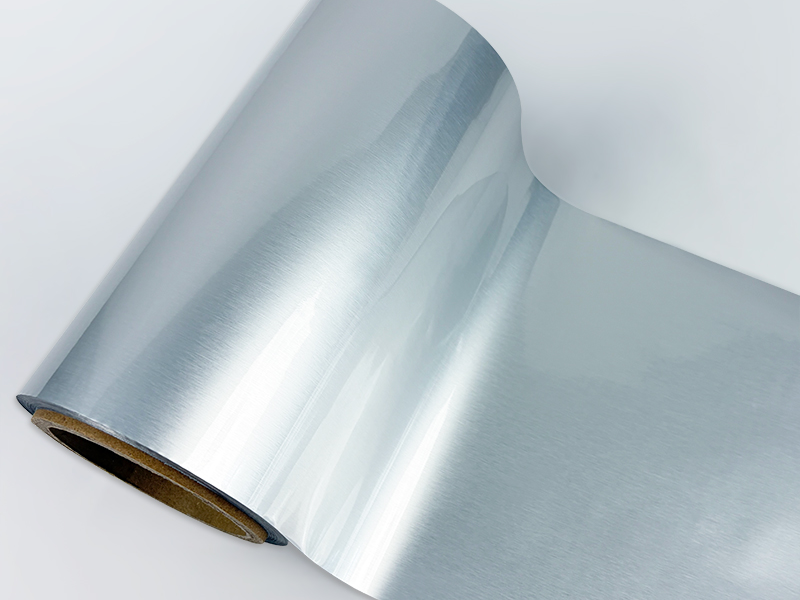
Laminated aluminum foil is a composite material formed by bonding aluminum foil with one or more polymer films (such as PET, PE, CPP) or paper substrates.
It combines the barrier properties of aluminum foil with the mechanical strength and functionality of polymer layers.
Why Aluminum Foil Is Laminated
Enhances mechanical strength
Improves puncture and tear resistance
Enables heat sealing capability
Protects aluminum layer from damage
Improves printability and surface appearance
Common Laminated Structures
Typical laminated aluminum foil structures include:
PET / AL / PE
PET / AL / CPP
PET / AL / PA / PE
Paper / AL / PE
Each layer serves a specific function:
PET (Polyester film): Provides strength and printability
Aluminum foil: Provides barrier protection
PA (Nylon): Improves puncture resistance
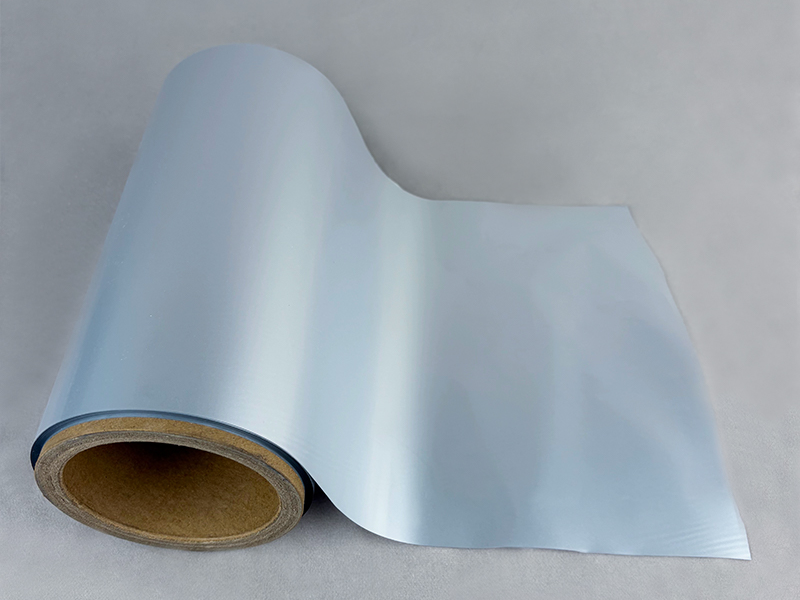
PE / CPP: Provides heat sealing and sealing strength
cpp lamination film
Laminated Aluminum Foil vs Aluminum Foil: Key Differences
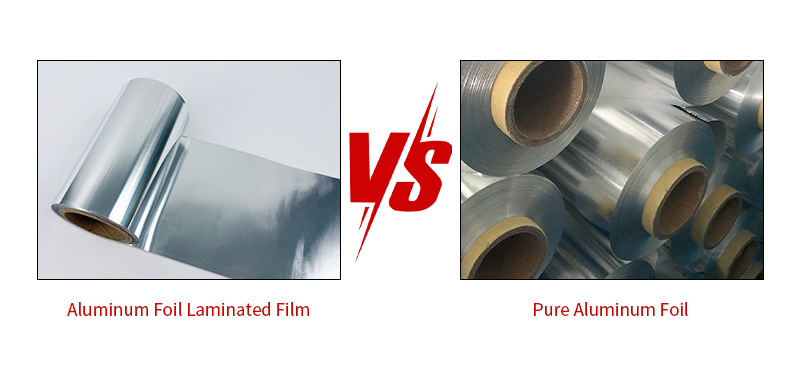
The main differences between aluminum foil and laminated aluminum foil can be summarized in terms of structure and functionality:
Comparison Factor | Aluminum Foil | Laminated Aluminum Foil |
|---|---|---|
Material Structure | Single-layer pure aluminum | Multi-layer composite structure |
Mechanical Strength | Low strength, prone to tearing | High strength due to polymer support layers |
Barrier Performance | Excellent barrier by itself | Barrier protection maintained, foil is protected from damage |
Heat Sealability | Cannot be heat sealed | Heat sealable via PE or CPP layers |
Flex Crack Resistance | Sensitive to repeated bending | Improved resistance due to flexible layers |
Printability | Limited surface compatibility | Excellent printing surface (PET or paper layer) |
Processing Performance | Difficult in high-speed packaging lines | Stable for automatic packaging and filling systems |
Cost Efficiency | Lower material cost but limited usability | Higher cost but better overall performance and efficiency |
Performance Comparison
Barrier Performance
Both materials rely on aluminum foil for oxygen, moisture, and light barrier properties. However, laminated structures help protect the foil layer from pinholes, cracking, and mechanical damage, ensuring consistent barrier performance during transportation and use.
Mechanical Performance
Laminated aluminum foil significantly improves tear resistance, puncture resistance, flex durability, and handling strength during converting and packaging.
Heat Seal Performance
Pure aluminum foil cannot be heat sealed, which limits its standalone use. Laminated aluminum foil integrates sealing layers such as PE or CPP, enabling strong sealing strength, leak-proof packaging, and compatibility with automatic packaging machines.
Common Applications
Pharmaceutical Packaging
Sachet packaging
Medical powder packaging
Hygienic barrier pouches
Industrial Packaging
Chemical powders and additives
Electronic component protection
Moisture-sensitive industrial materials
How to Choose Between Aluminum Foil and Laminated Aluminum Foil
Choose Aluminum Foil When
It is used as an internal barrier layer in a composite structure
It is part of further lamination or processing
High barrier is needed but mechanical strength is provided externally
Choose Laminated Aluminum Foil When
The material is used as final packaging material
Heat sealing is required
Mechanical durability is important
Printing and branding are needed
Long shelf life and transport stability are required
Frequently Asked Questions
Is laminated aluminum foil stronger than aluminum foil?
Yes. Laminated aluminum foil has significantly higher mechanical strength due to polymer support layers.
Can aluminum foil be used without lamination?
Yes, but only in limited applications such as secondary packaging or internal barrier layers.
Does laminated aluminum foil provide better barrier protection?
The barrier comes mainly from aluminum foil itself, but lamination protects the foil and ensures long-term performance.
What is the most common laminate structure?
PET / AL / PE is one of the most widely used structures in flexible packaging.
Conclusion
The key difference between aluminum foil and laminated aluminum foil lies in functionality rather than barrier performance alone.
Aluminum foil provides excellent barrier properties, while laminated aluminum foil enhances strength, sealing ability, and processing performance.
For modern flexible packaging systems, laminated aluminum foil is typically the more practical and widely used solution due to its balanced performance.
Recommended Supplier: PengYuan
For high-quality laminated aluminum foil and advanced flexible packaging materials, PengYuan offers a wide range of industrial solutions designed for food packaging, pharmaceutical applications, and high-barrier industrial uses. With strong manufacturing capabilities and consistent quality control, PengYuan focuses on delivering stable lamination structures that balance barrier performance and processing efficiency.
More product information and solutions can be found at PengYuan Official Website.
Related Blogs
-
 Quality Requirements for Base Paper Used in Paper Cups and Cartons As global demand for sustainable packaging continues to rise, the production of paper cups and paper cartons has become increasingly important across food service, retail, and logistics industries. At the core of these products liesblog
 -
 PENGYUAN (Group) is located in Hangzhou, known as "paradise on earth". Relying on the market advantages of talents, science and technology and economy brought by the Yangtze River Delta, PENGYUAN (Group) has formed an enterprise industry ecosystem based on three major industries, namely new materialblog
 -
 Compare metallized PET film and aluminum foil lamination on OTR/WVTR, cost, flex-cracking, chemical compatibility and recyclability — with a spec-based decision framework for industrial buyers.blog
Keep in touch with us
If you have any questions or needs about our products or services, please feel free to contact us at any time. We look forward to working with you and providing you with the best packaging solutions.
Mob:+86-15925678602
E-mail:info@pengyuangroup.com