


Blog Details
High barrier packaging film plays an important role in protecting products from oxygen, moisture, light, and other environmental factors that can affect product quality and shelf life. For manufacturers and packaging converters, selecting the right barrier material requires more than identifying a film with low gas transmission rates. The complete laminate structure, environmental conditions, and packaging process all influence its final performance.
Different materials provide different levels of oxygen and moisture protection. Aluminum foil, metallized PET, and polymer-based barrier films each offer specific advantages depending on the application. Understanding these differences helps manufacturers select suitable high barrier packaging materials while balancing protection, mechanical strength, and processing requirements.
This guide explains the key factors affecting barrier performance, how OTR and WVTR are measured, and how to choose the right laminated film for different packaging applications.

1. What Makes a Packaging Film High Barrier?
A high barrier packaging film is designed to restrict the transmission of gases and water vapor through its structure. Its primary function is to reduce the exposure of packaged products to external environmental conditions.
Oxygen and moisture are two of the most important factors to consider. Oxygen can contribute to oxidation, discoloration, and changes in product quality, while moisture transmission can cause dry products to absorb water or moisture-sensitive materials to deteriorate.
Depending on the application, packaging films may also need to provide protection against light, odors, and external contaminants.
High barrier performance is generally achieved through specialized materials or multilayer structures. For example, aluminum foil provides a highly effective barrier when continuous and undamaged, while metallized films use a thin deposited metal layer to reduce gas and moisture transmission.
A suitable high barrier laminated film combines these protective properties with other functional requirements, such as mechanical strength, flexibility, printability, and heat sealability.
2. Understanding OTR and WVTR
Two important parameters used to evaluate moisture and oxygen barrier performance are Oxygen Transmission Rate (OTR) and Water Vapor Transmission Rate (WVTR).
Oxygen Transmission Rate (OTR)

OTR measures the volume of oxygen passing through a unit area of packaging material over a specified period under defined test conditions.
It is commonly expressed in:
cc/(m²·day) or cm³/(m²·24 h)
A lower OTR indicates that less oxygen passes through the material under the stated conditions, representing better oxygen barrier performance.
OTR is particularly important for products sensitive to oxidation, including food ingredients, powders, and other materials requiring controlled oxygen exposure.
ASTM D3985 is a commonly used method for measuring oxygen transmission through plastic films and laminates using a coulometric sensor. Other methods may be required when testing under different humidity conditions.
Water Vapor Transmission Rate (WVTR)

WVTR measures the amount of water vapor passing through a unit area of material over a specified period.
The commonly used unit is:
g/(m²·day)
A lower WVTR indicates better resistance to water vapor transmission under the specified test conditions.
WVTR is particularly relevant for moisture-sensitive products, including powders, dry ingredients, and materials that require protection from humidity during storage and transportation.
ASTM F1249 specifies a method for measuring water vapor transmission through plastic films and sheeting using a modulated infrared sensor.
3. How Film Materials Affect Barrier Performance
Different packaging materials have different gas and moisture transmission characteristics. The selection of barrier materials depends on the required protection level, mechanical properties, and final laminate design.
Aluminum Foil
Aluminum foil provides a highly effective barrier against oxygen, water vapor, light, and many external contaminants when its metallic layer remains continuous.
It is widely used in high barrier packaging film structures where strong environmental protection is required.
However, thin aluminum foil can develop pinholes or flex cracks during converting, handling, or repeated bending. These defects may compromise its barrier performance.
Laminating aluminum foil with PET, PE, or CPP helps improve mechanical protection, printability, and heat sealability while maintaining the protective function of the foil layer.

Metallized PET Film
Metallized PET film consists of a polyester substrate coated with a thin, vacuum-deposited aluminum layer.
The metallized surface reduces the transmission of oxygen, moisture, and light. Its barrier performance depends on factors such as metal coating quality, optical density, base film properties, and subsequent converting processes.
Compared with solid aluminum foil, metallized PET uses substantially less metal and offers a different balance of flexibility, weight, and barrier performance.
It is commonly incorporated into metallized film laminates for applications requiring reflective properties and functional barrier protection.
However, metallized PET should not automatically be considered equivalent to aluminum foil. The appropriate material depends on the required OTR and WVTR specifications.

Polymer-Based Barrier Materials
Several polymers are used in high barrier packaging structures to provide specific gas or moisture protection.
● PA (Polyamide): Provides good mechanical strength, toughness, and useful oxygen barrier properties. Its moisture sensitivity must be considered when designing multilayer structures.
● PE (Polyethylene): Provides good moisture resistance, flexibility, and heat sealability, but generally offers limited oxygen barrier performance.
● PP (Polypropylene): Offers moisture resistance, stiffness, and thermal performance, making it useful in various packaging structures.
● The actual performance of these materials depends on resin grade, thickness, processing conditions, and the surrounding layers.
● PET (Polyethylene Terephthalate): Provides good tensile strength, dimensional stability, heat resistance, and printability.
4. Comparing Different High Barrier Film Laminates
In practical packaging applications, barrier performance is usually achieved through multilayer structures rather than relying on a single material.
Three common approaches are aluminum foil laminates, metallized film laminates, and polymer-based laminates.

Film Structure Type | Main Advantages | Key Considerations |
Strong oxygen, moisture, and light barrier | Foil integrity and flex cracking | |
Reflectivity, useful barrier properties, and reduced metal usage | Metallization quality and coating integrity | |
Polymer-Based Laminates | Flexible design and tailored barrier properties | Material compatibility and humidity sensitivity |
5. How to Verify High Barrier Film Specifications
Before selecting a high barrier laminated film, buyers should verify its technical specifications through reliable test reports and application-specific evaluations.
Important factors include:
● OTR and WVTR: Confirm the measured values and corresponding test methods.
● Test Conditions: Check temperature, relative humidity, and other relevant testing parameters.
● Film Structure: Verify the material combination and individual layer specifications.
● Thickness: Confirm total thickness and relevant functional layer thicknesses.
● Mechanical Performance: Evaluate tensile strength, puncture resistance, and flex durability where required.
● Seal Performance: Verify heat seal strength and compatibility with the intended packaging process.
6. High Barrier Laminated Film Solutions from Pengyuan
At Pengyuan, we manufacture laminated film materials designed for packaging and industrial applications with different barrier and mechanical requirements.
Our product range includes aluminum foil laminated films, metallized film laminates, and customized multilayer composite structures.
Depending on the application, material combinations can incorporate PET, VMPET, aluminum foil, PE, CPP, and PA to balance barrier protection, mechanical strength, flexibility, and sealing requirements.
For applications requiring strong oxygen and moisture protection, our High Barrier Aluminum Laminated Film and PET AL CPP Laminated Film are options to consider.
For applications requiring additional mechanical protection, our Puncture Resistant Vacuum Packaging Film provides a structure designed around durability and resistance to puncture.
We also offer customized film structures, thicknesses, roll widths, and other specifications according to individual application and processing requirements.
Rather than selecting materials based on a single barrier value, we recommend evaluating the complete laminate structure and its intended operating conditions.
Contact Pengyuan to discuss your packaging requirements and identify a suitable high barrier laminated film solution.

Frequently Asked Questions
What is the difference between OTR and WVTR?
OTR measures oxygen transmission through a material, while WVTR measures water vapor transmission. Both are important parameters for evaluating packaging protection, but they describe different barrier properties.
Is aluminum foil better than metallized PET film?
Aluminum foil generally provides a stronger barrier when its layer is continuous and undamaged. Metallized PET offers a different balance of barrier performance, reflectivity, flexibility, and material usage. The best option depends on the application requirements.
Does thicker packaging film always provide better barrier performance?
Not necessarily. Thickness can influence transmission rates, but material type, layer continuity, coating quality, and laminate construction are also important. Actual performance should be verified through testing.
How can I choose the right high barrier laminated film?
Start by identifying the required OTR and WVTR, product sensitivity, storage environment, and mechanical requirements. Then evaluate suitable material structures and verify their performance under relevant testing and packaging conditions.
Related Blogs
-
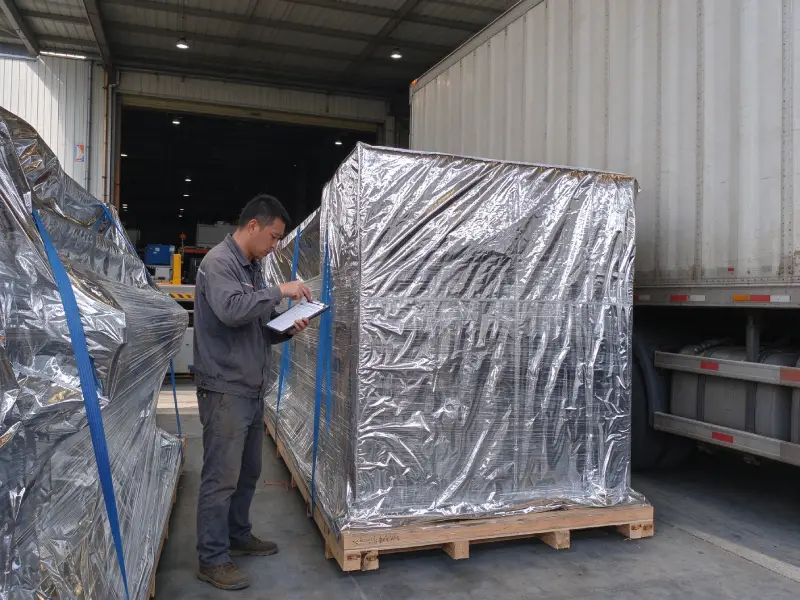 Explore aluminum foil vacuum packaging film for industrial machinery and heavy equipment. Pengyuan offers customized materials for aluminium vacuum packing, with flexible structures, thicknesses and roll widths.blog
-
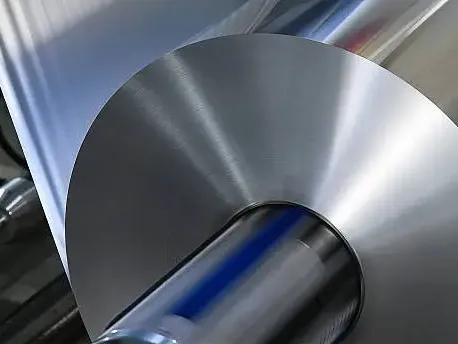 This guide explains the key factors affecting barrier performance, how OTR and WVTR are measured, and how to choose the right laminated film for different packaging applications.
blog -
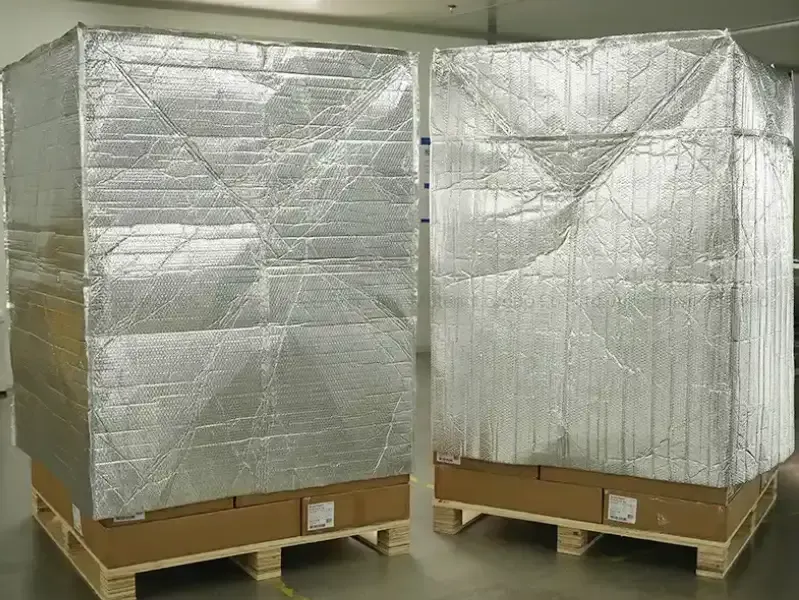 Learn how to choose industrial laminated film for packaging based on barrier performance, puncture resistance, thickness, and converting requirements. Explore material options and custom solutions for industrial applications with Foilexpert.blog
Keep in touch with us
If you have any questions or needs about our products or services, please feel free to contact us at any time. We look forward to working with you and providing you with the best packaging solutions.
Mob:+86-15925678602
E-mail:info@pengyuangroup.com