


Blog Details
Laminated film is a flexible material made by bonding two or more layers of film, foil, paper, or nonwoven fabric into a single composite. Each layer contributes specific properties, such as moisture resistance, mechanical strength, heat sealability, printability, or thermal reflectivity.
Because a single material rarely meets every performance requirement, lamination allows manufacturers to combine complementary materials into one functional structure. Laminated films are widely used in flexible packaging, industrial protection, insulation, and other applications where material performance and processing requirements must be considered together.
Understanding laminated film structures, properties, and applications helps buyers select suitable materials for their products and production processes.
1. What Is Laminated Film?
Laminated film is produced by joining multiple material layers through processes such as adhesive lamination, extrusion lamination, or thermal bonding. The selected materials and bonding method depend on the required performance, manufacturing process, and end use.
For example, a polymer film may provide flexibility and moisture resistance, while an aluminum foil layer offers a strong barrier against light, moisture, and gases. A metallized film can provide a reflective surface and barrier properties with a different material profile from solid aluminum foil.
The final laminate functions as an integrated material. Its performance depends not only on the individual layers but also on their thickness, compatibility, bonding strength, and processing conditions.
Laminated film is therefore not a single standardized material. It is a family of composite structures designed for specific applications.
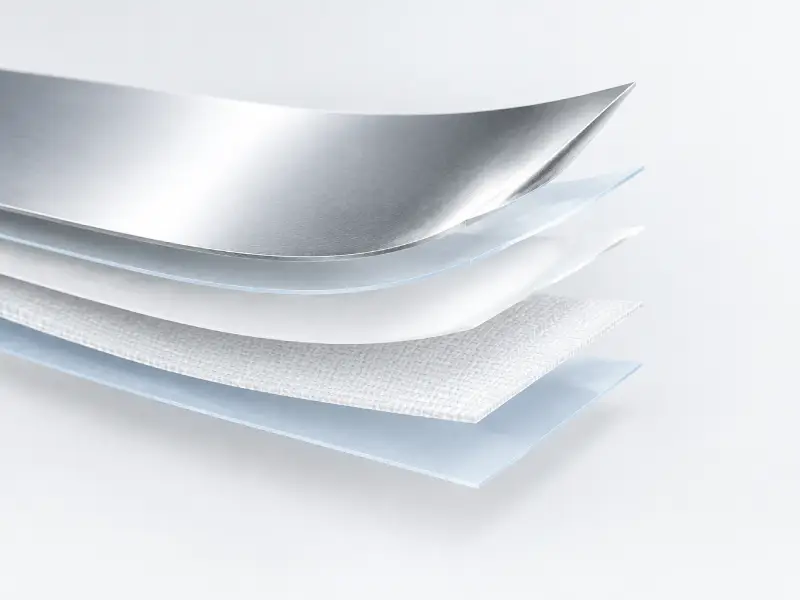
2. Common Laminated Film Structures
Different combinations of materials produce different performance characteristics. The following structures are common in packaging and industrial applications.
2.1 Polymer Film Laminates
Polymer film laminates combine plastic films to balance flexibility, strength, barrier performance, and sealing characteristics. Depending on the application, the layers may include PET, PE, PP, or other compatible polymers.
PET is often selected for its dimensional stability, surface quality, and tensile strength. PE is commonly used where flexibility and heat sealability are important. Other polymer films can contribute stiffness, printability, or additional barrier performance.
For applications that require a metallized surface combined with a sealable polymer layer, VMPET PE Laminated Film is one option to evaluate. The appropriate construction depends on the required barrier level, bonding compatibility, and intended use.
2.2 Aluminum Foil Laminates
Aluminum foil laminates incorporate a solid aluminum foil layer into a composite structure. The foil provides an effective barrier against light, moisture, and many gases when it remains continuous and is properly integrated into the laminate.
Other layers may improve mechanical protection, provide a printable surface, or support heat sealing. The overall structure depends on the application and the performance required from the finished material.
Aluminum foil laminates are commonly considered for high-barrier packaging, moisture-sensitive products, and industrial protective materials.
Explore Aluminum Laminated Film for applications requiring an aluminum-based composite structure.
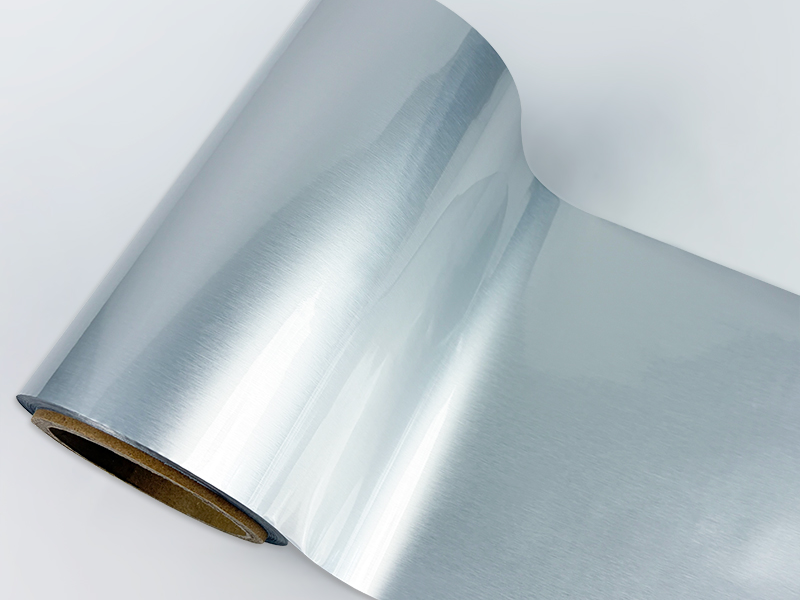
2.3 Metallized Film Laminates
Metallized film laminates use a polymer film with a thin deposited metal coating, typically aluminum, combined with one or more additional layers. Compared with solid aluminum foil, the metallized layer is much thinner and has different mechanical and barrier characteristics.
Metallized structures can offer a reflective appearance, reduced light transmission, and useful barrier performance. However, their actual performance depends on the base film, coating quality, lamination structure, and converting process. Metallized film should not automatically be treated as equivalent to solid aluminum foil.
For applications using multiple layers to combine metallized surfaces with other functional films, see Multi-layer Metallized Laminated Film.
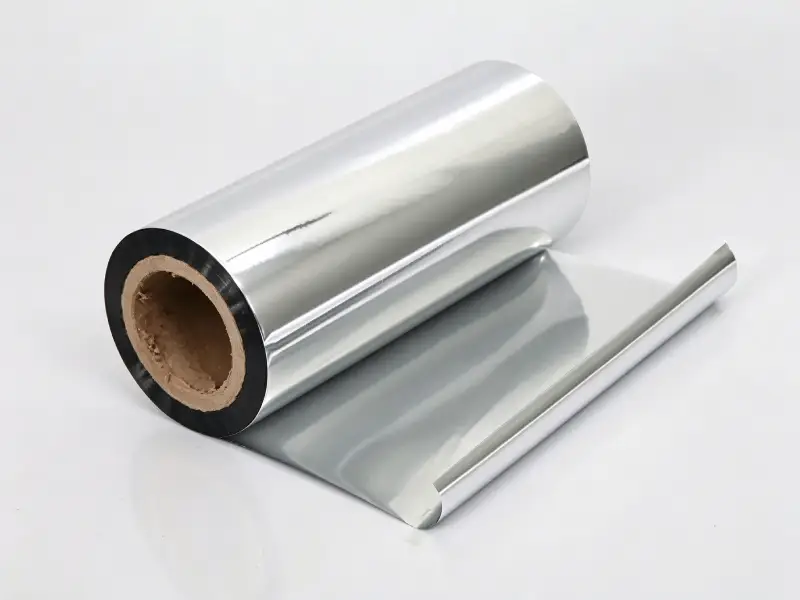
2.4 Film and Nonwoven Fabric Laminates
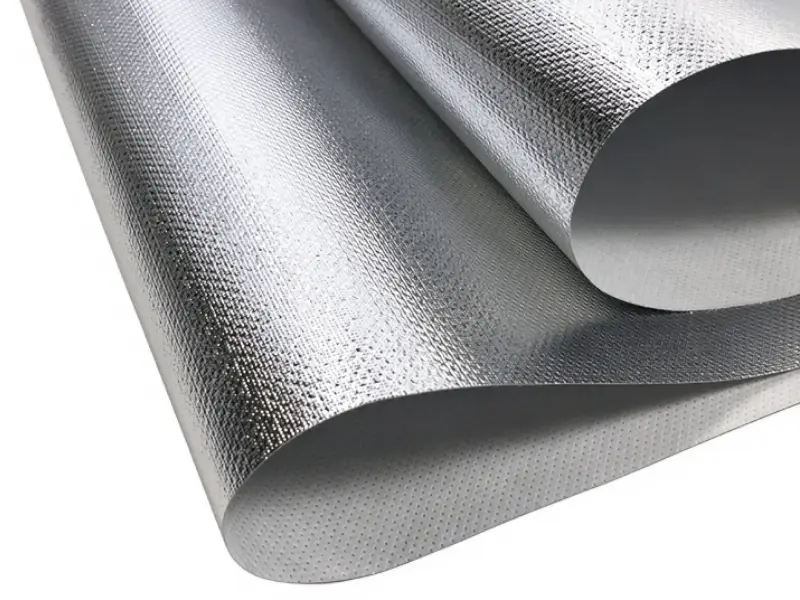
Film and nonwoven fabric laminates combine a film or foil layer with a fibrous nonwoven substrate. The film layer can contribute moisture resistance, reflectivity, or a protective barrier, while the nonwoven layer can provide surface texture, handling characteristics, or additional mechanical support.
These composites are used in building materials, insulation-related products, protective coverings, and other industrial applications. Performance depends on the substrate, bonding method, layer thickness, and environmental conditions.
For foil-based composites incorporating nonwoven fabric, see Aluminum Foil Nonwoven Laminated Film.
3. Key Properties of Laminated Film
Selecting a laminated film requires more than identifying its material layers. Buyers should evaluate the properties that directly affect product performance and production:
3.1 Barrier Performance
Barrier performance describes how effectively a material restricts the transmission of moisture vapor, oxygen, other gases, or light. It is especially important for packaging materials that must protect sensitive contents from environmental exposure.
Aluminum foil can provide a strong barrier when the foil layer is continuous and undamaged. Metallized films can also reduce transmission, but their performance differs according to coating integrity and laminate design. Polymer layers may provide moisture resistance or contribute to sealing and overall protection.
Barrier requirements should be defined according to the actual application. Where measurable performance is critical, buyers should request relevant test data, such as water vapor transmission rate (WVTR) or oxygen transmission rate (OTR), under specified test conditions.
3.2 Mechanical Strength and Puncture Resistance
A laminate must withstand the mechanical stresses associated with converting, filling, handling, transportation, and end use. Tensile strength, tear resistance, puncture resistance, and flex durability are distinct properties and should not be used interchangeably.
The choice of substrate and layer combination affects the laminate's ability to resist damage. For demanding packaging applications, a structure incorporating a suitable nylon surface layer may help improve toughness and puncture resistance, depending on the complete construction.
3.3 Heat Sealability
Heat sealability is essential when a laminate must be converted into pouches, bags, or other sealed packages. The sealing layer must form a reliable bond under appropriate temperature, pressure, and dwell time.
Not every layer in a laminate is intended to provide heat sealing. A structure may use one layer for strength or barrier performance and another for sealing. The correct sealant material and processing window depend on the packaging equipment, product contents, and required seal integrity.
Buyers should evaluate seal strength, sealing consistency, and compatibility with their existing production lines.
3.4 Printability and Dimensional Stability
Printability affects the appearance, legibility, and consistency of product graphics. Dimensional stability helps a laminate maintain its shape during printing, lamination, slitting, and other converting operations.
PET is frequently used where dimensional stability and surface quality are important. Surface treatment, ink compatibility, adhesive selection, and curing conditions can also influence print quality and bonding performance.
For printed or converted laminates, material selection should consider the complete manufacturing process rather than the appearance of the film alone.
3.5 Thermal Reflectivity
Reflective laminated films are used in applications where reducing radiant heat transfer is part of the material's function. Metallized surfaces and aluminum foil can reflect radiant energy, but the performance of a finished insulation system also depends on its installation and surrounding air spaces.
Reflectivity alone does not establish the total thermal resistance of a product. Buyers should evaluate the complete assembly and its intended operating conditions when selecting materials for thermal applications.
4. Common Applications of Laminated Film
4.1 Flexible Packaging
Flexible packaging is one of the most common applications of laminated film. Multi-layer structures combine barrier protection, printability, flexibility, and heat sealability for food packaging, vacuum packaging, and moisture-sensitive products.
The laminate structure should be selected based on product requirements, shelf life, filling process, sealing method, and relevant regulations. For higher barrier needs, High Barrier Aluminum Laminated Film can be considered.
4.2 Industrial Packaging and Transportation
Laminated films are widely used in industrial packaging where moisture resistance, durability, and protection during handling and transportation are required.
Common applications include protective bags, industrial liners, composite covers, and bulk material packaging. Key factors include puncture resistance, sealing performance, and compatibility with the packaged products.
4.3 Thermal Protection and Insulation
Reflective laminated films combine aluminum foil or metallized layers with polymer films, nonwoven fabrics, or other substrates for thermal protection applications.
These materials help manage radiant heat and provide functional surfaces in insulation systems. Performance depends on the material structure and proper installation.
4.4 Specialized Protective Materials
For applications requiring multiple performance features, laminated films can be customized with barrier layers, durable outer surfaces, and functional inner layers.
They are used in protective barriers, composite building materials, abrasion-resistant packaging, and specialized industrial coverings, with designs based on specific performance requirements.
5. Frequently Asked Questions
What is the difference between laminated film and a single-layer film?
A single-layer film is made from one material layer, while laminated film combines two or more layers to achieve a wider range of properties. Lamination can improve the balance of barrier performance, mechanical strength, printability, and heat sealability.
Is aluminum foil laminated film better than metallized film?
Neither is universally better. Aluminum foil laminates generally provide a stronger barrier when the foil remains continuous, while metallized laminates use a much thinner metal coating and may be suitable where reflectivity, appearance, weight, or other design considerations are important. The correct choice depends on the required performance and application.
Can laminated film be customized?
Yes. Laminated film can be specified according to material combination, total thickness, layer configuration, roll dimensions, and other manufacturing requirements. Customization options depend on the supplier's equipment and production capabilities.
How do I evaluate the quality of laminated film?
Evaluate the film against its intended application and agreed technical specifications. Relevant checks may include thickness consistency, appearance, bonding strength, barrier performance, tensile properties, puncture resistance, and sealing behavior. Not every test is necessary for every product; testing should reflect the actual requirements.
Is laminated film recyclable?
Recyclability depends on the materials used, the laminate construction, and the collection and recycling infrastructure available in the target market. Multi-material structures can be difficult to separate through conventional recycling systems. If recyclability is a key requirement, discuss the material composition and end-of-life options with the supplier before selecting the structure.
Conclusion
Laminated film combines multiple material layers to achieve performance that a single film may not provide. Its properties depend on the materials selected, layer configuration, bonding process, and requirements of the final application.
Understanding the differences between polymer laminates, aluminum foil laminates, metallized film laminates, and film–nonwoven composites helps buyers narrow down suitable options. By defining performance requirements, checking technical data, and validating samples in the intended production process, manufacturers can select a laminated film that balances functionality, processing needs, and application-specific performance.
Foilexpert provides a range of laminated film products for packaging and industrial applications. Review the Foilexpert product range to identify a suitable material category for your requirements.
Related Blogs
-
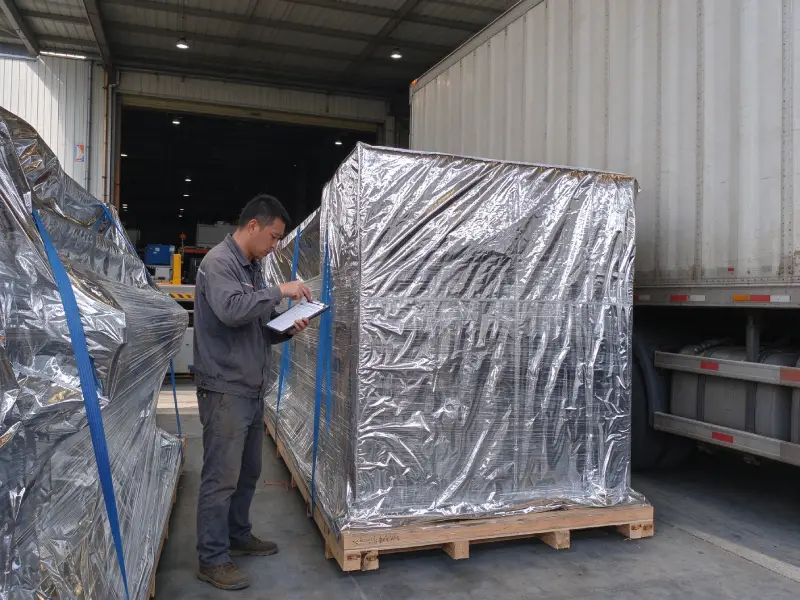 Explore aluminum foil vacuum packaging film for industrial machinery and heavy equipment. Pengyuan offers customized materials for aluminium vacuum packing, with flexible structures, thicknesses and roll widths.blog
-
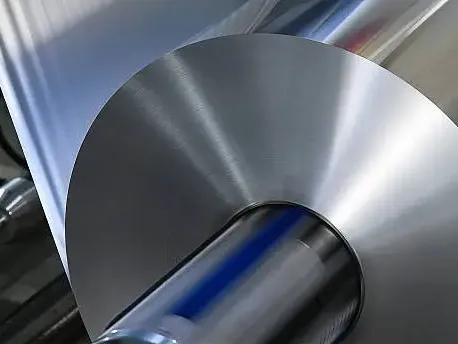 This guide explains the key factors affecting barrier performance, how OTR and WVTR are measured, and how to choose the right laminated film for different packaging applications.
blog -
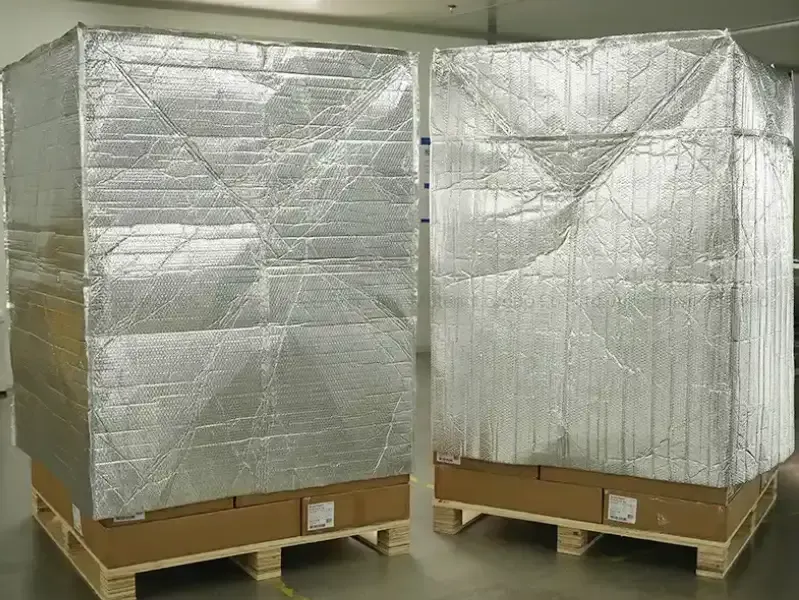 Learn how to choose industrial laminated film for packaging based on barrier performance, puncture resistance, thickness, and converting requirements. Explore material options and custom solutions for industrial applications with Foilexpert.blog
Keep in touch with us
If you have any questions or needs about our products or services, please feel free to contact us at any time. We look forward to working with you and providing you with the best packaging solutions.
Mob:+86-15925678602
E-mail:info@pengyuangroup.com